

Having a tooth removed is a common dental procedure. How well you heal depends largely on what you do after the extraction. This guide is an extremely in depth article that explains what is normal, how to care for the area, and when to call your dentist.
What Happens After a Tooth Is Removed?
When a tooth is extracted, a space called the extraction socket is left behind. The body immediately begins healing through three main phases:
1. Hemostasis (Stopping the Bleeding)
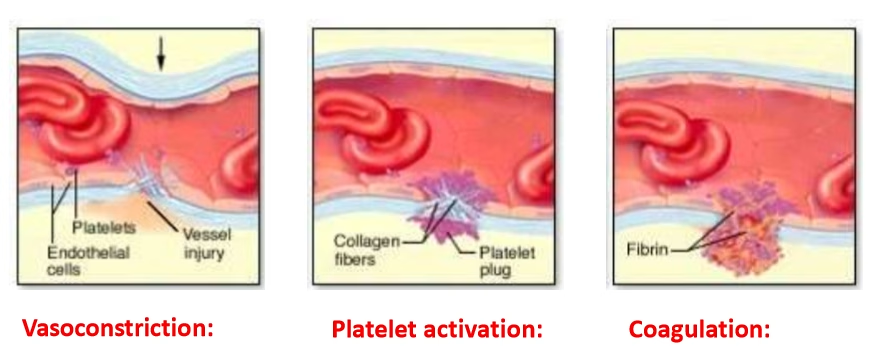
Hemostasis means stopping bleeding.
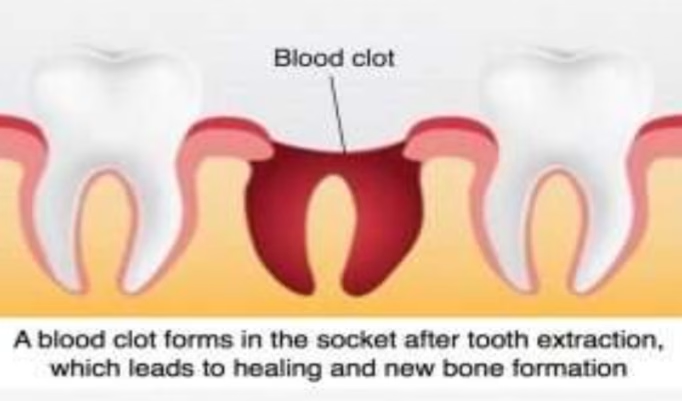
Your body forms a blood clot inside the socket made of platelets and fibrin. This clot:
- Protects the underlying bone and nerves
- Acts as a scaffold for new tissue
- Is essential for normal healing
⚠️ If the clot is lost too early, healing is delayed and pain increases. This is known as a dry socket.
2. Inflammation (Normal Healing Response)
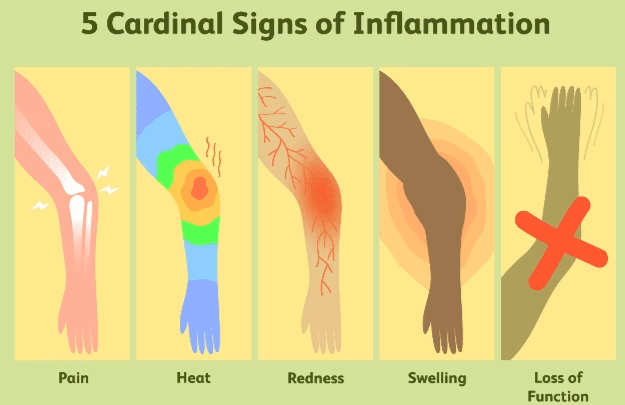
Inflammation is the body’s natural defense response. It causes:
- Pain
- Swelling
- Redness
- Warmth
These signs are normal and expected after an extraction.
Inflammation helps:
- Prevent infection
- Remove damaged tissue
- Begin tissue repair
This phase is strongest during the first 2–3 days.
3. Tissue Repair and Remodeling
Over the following weeks:
- Granulation tissue (new healing tissue) replaces the blood clot
- Bone slowly fills in the socket
- Gum tissue closes over the area at a rate of 1mm per day
Complete bone healing takes several months, even if you feel normal much sooner.
Aftercare Instructions
Eating After a Tooth Extraction
First 24–48 Hours
- Soft foods (yogurt, mashed potatoes, soup)
- Cool or room-temperature foods
- Plenty of fluids
Avoid
- Crunchy or hard foods
- Chewing on the extraction side
- Hot foods in the first 24 hours
- Alcohol (especially with medications)
Oral Hygiene and Rinsing
Keeping the area clean reduces infection risk.
Brushing
- Continue brushing all other teeth
- Avoid brushing directly over the socket for several days
Rinsing
- Begin saltwater rinses after 24 hours
- Reduces bacteria
- Promotes healing
- Avoid aggressive rinsing
⚠️ Strong mouthwashes can irritate healing tissue unless prescribed.
Pain Management
Pain after extraction depends on:
- The difficulty of the extraction
- Whether bone was removed
- Tooth position (lower molars tend to hurt more)
Medications to Take
- NSAIDs (Non-Steroidal Anti-Inflammatory Drugs) such as ibuprofen reduce both pain and inflammation. Maximum dosage of ibuprofen is 400-600mg every 4-6 hours for a maximum of 2.4g per day
- Acetaminophen helps with pain but not inflammation. Maximum dosage of acetaminophen is 500-1,000mg every 4-6 hours for a maximum of 4g per day
- Codiene Stronger medication may be prescribed for surgical extractions typically a mixture of acetaminophen and codiene.
⚠️ NSAIDs can slightly increase bleeding—take only as directed.
Typical Complications of Tooth Extractions and How to Manage Them
Bleeding After Extraction
What’s Normal
- Light oozing for up to 72 hours
- Blood mixed with saliva (appears pink)
What to Do
- Bite firmly on gauze for 30–60 minutes
- Maintain constant pressure—don’t check repeatedly
- Keep your head elevated
Why bleeding restarts
Bleeding usually restarts when the hemostatic plug (early clot) is disturbed by:
- Spitting
- Rinsing too hard
- Smoking
- Chewing hard foods
📞 Call your dentist if bleeding is heavy or does not stop with pressure.
Swelling and Bruising
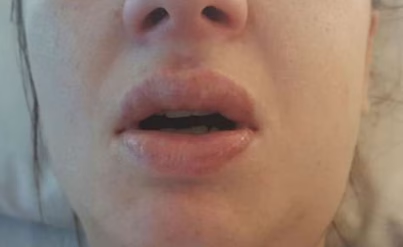
Swelling occurs because inflammation increases fluid movement into the tissues.
Normal pattern
- Begins within hours
- Peaks at 2–3 days
- Gradually improves afterward
Cold Therapy (First 48–72 Hours)
- Ice packs reduce swelling by causing vasoconstriction (narrowing of blood vessels) to reduce bruising in the area
- Apply 20 minutes on / 20 minutes off
Heat Therapy (After Day 3)
- Heat increases circulation and reduces stiffness allowing for healing to cocur
- Helps with bruising and jaw tightness
Trismus (Jaw Stiffness)
Trismus means limited mouth opening.
It occurs when the muscles of mastication (chewing muscles) become inflamed or irritated.
Common causes
- Prolonged mouth opening during surgery
- Surgical trauma
- Swelling near jaw muscles
Management
- Warm compresses after day 3
- Gentle jaw stretching
- Soft diet
Trismus usually resolves within 1–2 weeks.
More Serious (But Less Likely) Complications
Dry Socket (Alveolar Osteitis)
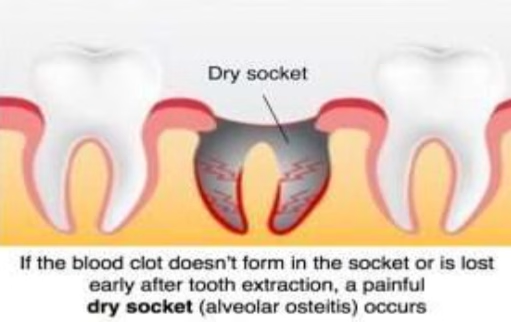
Dry socket, also called alveolar osteitis, is a painful condition caused by premature loss of the blood clot.
When it occurs
- Usually 3–4 days after extraction
Symptoms
- Severe, throbbing pain
- Pain radiating to ear, temple, or neck
- Bad taste or odor
- Empty-looking socket with exposed bone
Risk factors
- Smoking or vaping
- Oral contraceptive use
- Difficult or traumatic extractions
- Poor aftercare
Dry socket is not an infection, and will heal on its own, but extreme pain may require professional treatment.
Infection After Extraction
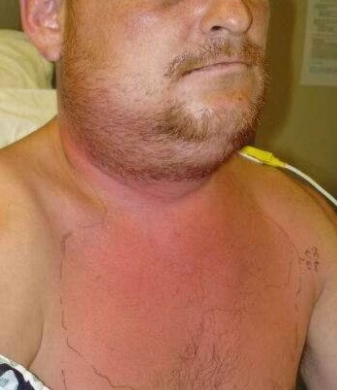
The mouth contains many bacteria, so extractions are considered clean-contaminated wounds.
Warning signs
- Worsening pain after day 4
- Increasing swelling
- Fever
- Pus or foul discharge
- Difficulty swallowing
Antibiotics are prescribed only when indicated, not routinely.
Numbness or Altered Sensation
Temporary numbness or tingling can occur if nearby nerves are irritated during the extraction process.
What’s normal
- Mild tingling that improves over days
Call your dentist if:
- Numbness persists beyond 24–48 hours
- Sensation worsens
Most nerve disturbances resolve on their own.
Conclusion
Successful healing after a tooth extraction depends on protecting the extraction socket during the early healing phase and allowing the body’s normal repair process to proceed without disruption. The blood clot that forms immediately after removal is the foundation for healing, and activities such as smoking, spitting, using straws, or aggressive rinsing can dislodge it and significantly delay recovery. Pain, swelling, and jaw stiffness are expected in the first few days and should gradually improve; symptoms that worsen after this period, persistent bleeding, fever, or numbness are not normal and require prompt dental evaluation. Most post-extraction complications are preventable when aftercare instructions are followed closely, and early communication with your dental provider ensures faster, simpler management if concerns arise.
Disclaimer
The contents of this website, such as text, graphics, images, and other material are for informational purposes only and are not intended to be substituted for professional medical advice, diagnosis, or treatment. Nothing on this website constitutes the practice of medicine, law or any other regulated profession.
No two mouths are the same, and each oral situation is unique. As such, it isn’t possible to give comprehensive advice or diagnose oral conditions based on articles alone. The best way to ensure you’re getting the best dental care possible is to visit a dentist in person for an examination and consultation.
SAVE TIME AND MONEY AT ANY DENTIST
Less dental work is healthier for you. Learn what you can do to minimize the cost of dental procedures and avoid the dentist altogether!
 English